
Practical nutrition advice for adults in Botswana
Most adults here know the shape of healthy eating. Fewer have a plan that survives a real week. This site is built around that gap.
Where most weeks go wrong
Long commutes, shared cooking, mid-afternoon heat, and food prices that move.
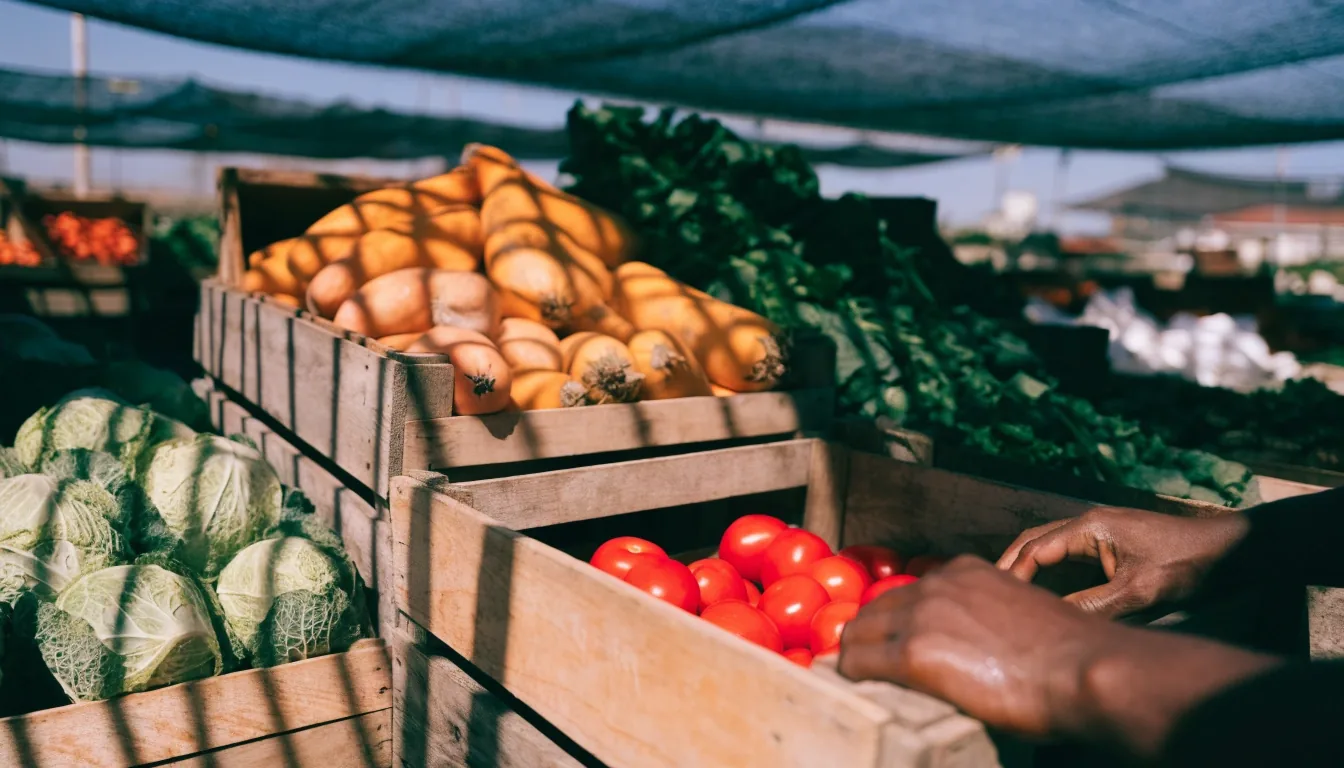
Each guide here starts from a local constraint instead of an ideal pantry. We work with ingredients you can actually buy: seasonal vegetables, sorghum and maize products, beans, tinned fish, chicken, and fruit that holds up in the heat. If a suggestion only works with an imported superfood, it does not belong on the page. That rule keeps the advice usable whether you cook for one person or a family of six.
Weekdays 8:00 AM – 5:00 PM
Saturday 9:00 AM – 1:00 PM
+267 625 2190
Kazungula Road, Kasane
Rooms of the same building
Pick the room your week actually needs
Start with the plate, not with a diet
A balanced plate in a Botswana household is not complicated. Vegetables or fruit fill roughly half, a starchy staple is sized to your actual activity, and the protein portion fits whatever your budget allows that week. Public-health messaging leans on the same idea because it survives translation into real cooking, shared pots, and leftovers. You adjust portions over months, not days.
Portion talk gets preachy fast, so we keep it practical. If your work is mostly sitting, the staple shrinks a little and the vegetables grow. If you are on your feet or carrying loads most of the day, the staple earns its place. Nothing here needs a scale. A bowl, a fist, and an open palm are enough to start with, and they are easier to repeat on a Tuesday than a gram count.
The nutrition gap the national data shows
WHO-reported surveillance of adult lifestyle risk factors in Botswana found that nine in ten adults eat too few fruits and vegetables. Average salt intake runs close to double the recommended maximum, and more than half of adults report no leisure-time exercise. Those are population patterns, not personal verdicts. What they tell you is where small changes carry the most weight.
Numbers like these get quoted at people as if they were a scolding. Read them as a map instead. If nine households in ten are short on produce, then adding one vegetable to a meal you already cook is a real move, not a token one. If salt mostly arrives through stock cubes and packaged seasoning, then the kitchen shelf is where the work happens. If most exercise is missing from adult weeks, a twenty-minute walk after dinner is not a small thing.
Source: WHO-reported adult lifestyle risk-factor surveillance for Botswana
Energy through the working day
Afternoon fatigue is usually a stack of small things: a skipped breakfast, too little water, a heavy starch lunch, and no movement at all. We address each one separately instead of selling a single fix.
Hydration matters more here than in cooler countries, and official travel-health guidance for Botswana pairs it with sun protection. Water first, then look at the rest of the stack. Our fatigue guide walks through breakfast timing, lunch weight, and the short walks that break an afternoon.
Fix my afternoon fatigueEating well on a tight budget
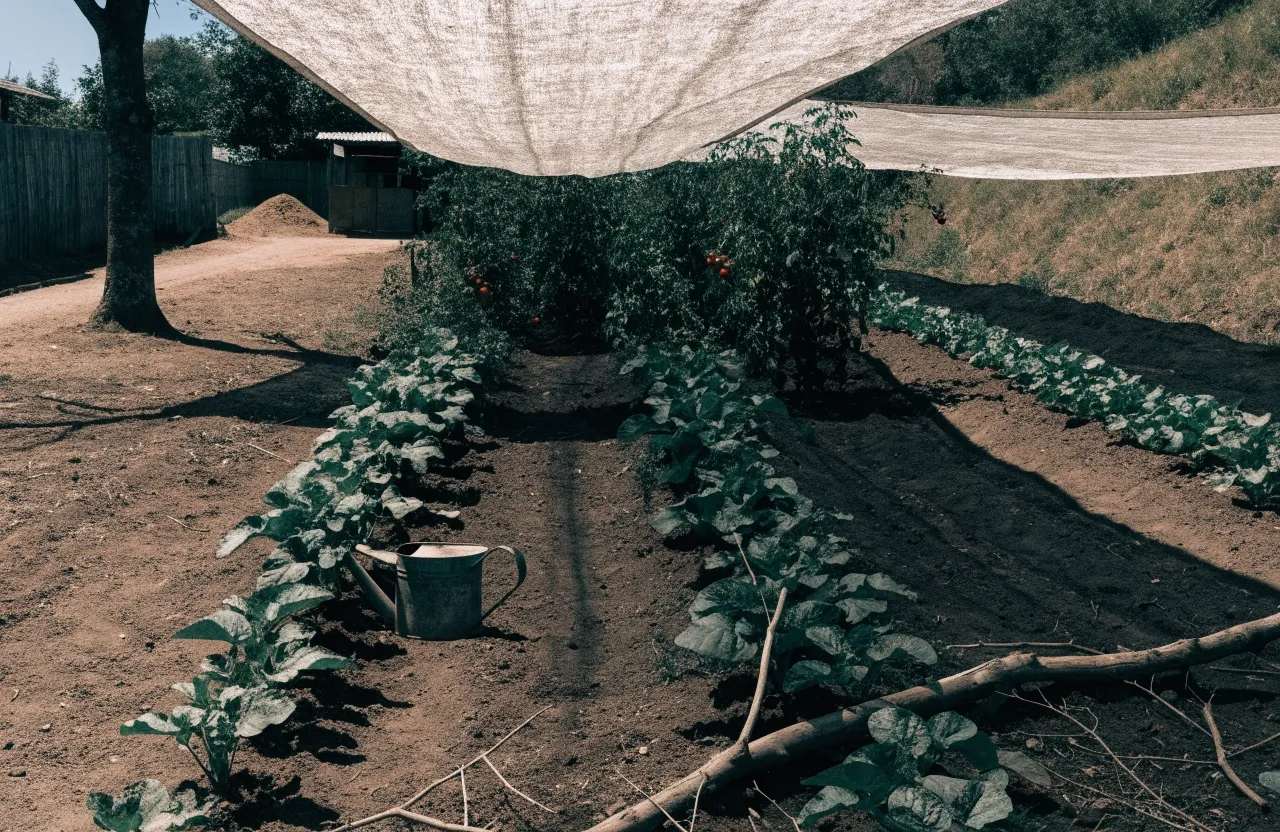
Food insecurity is a real and widely discussed issue in Botswana, and nutrition advice that ignores it is useless. Cheaper produce still counts, and frozen or tinned vegetables keep their value instead of rotting in a warm kitchen.
Cheaper but equal
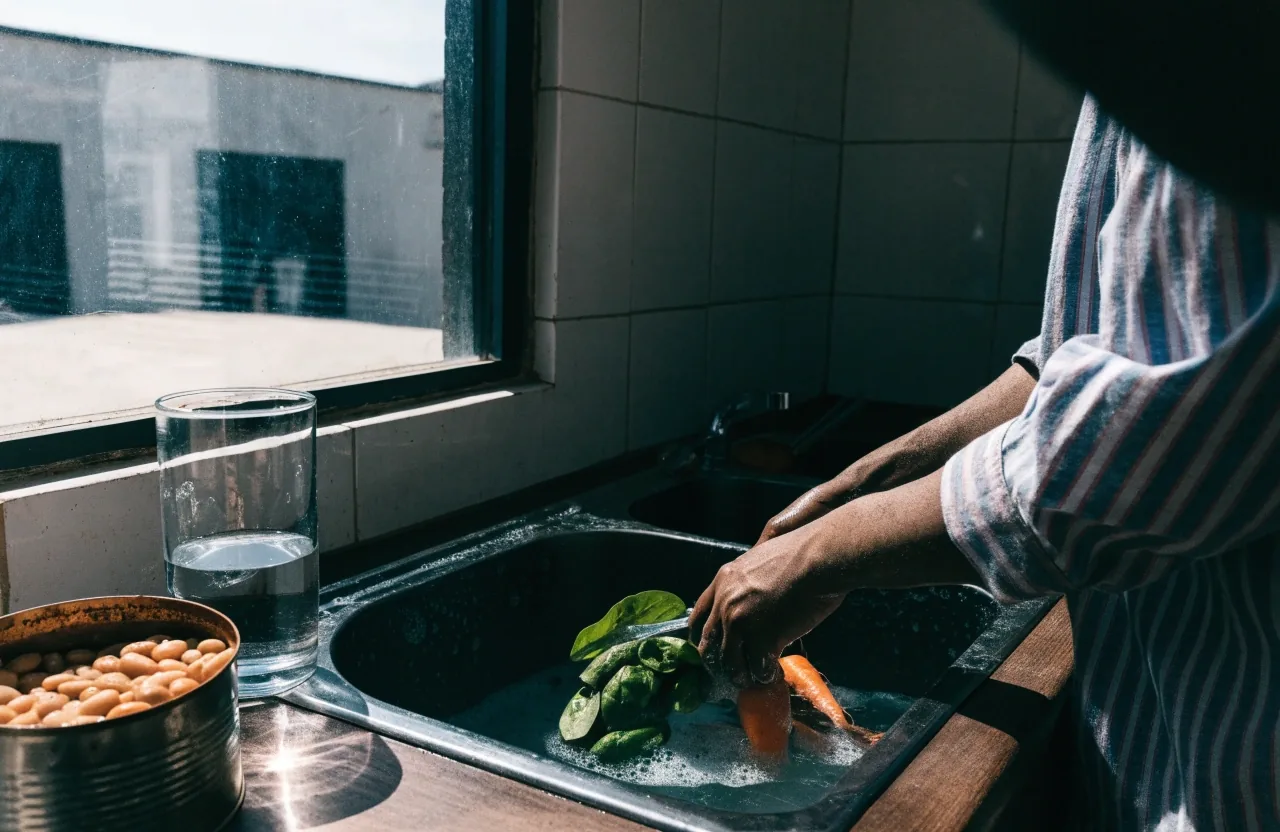
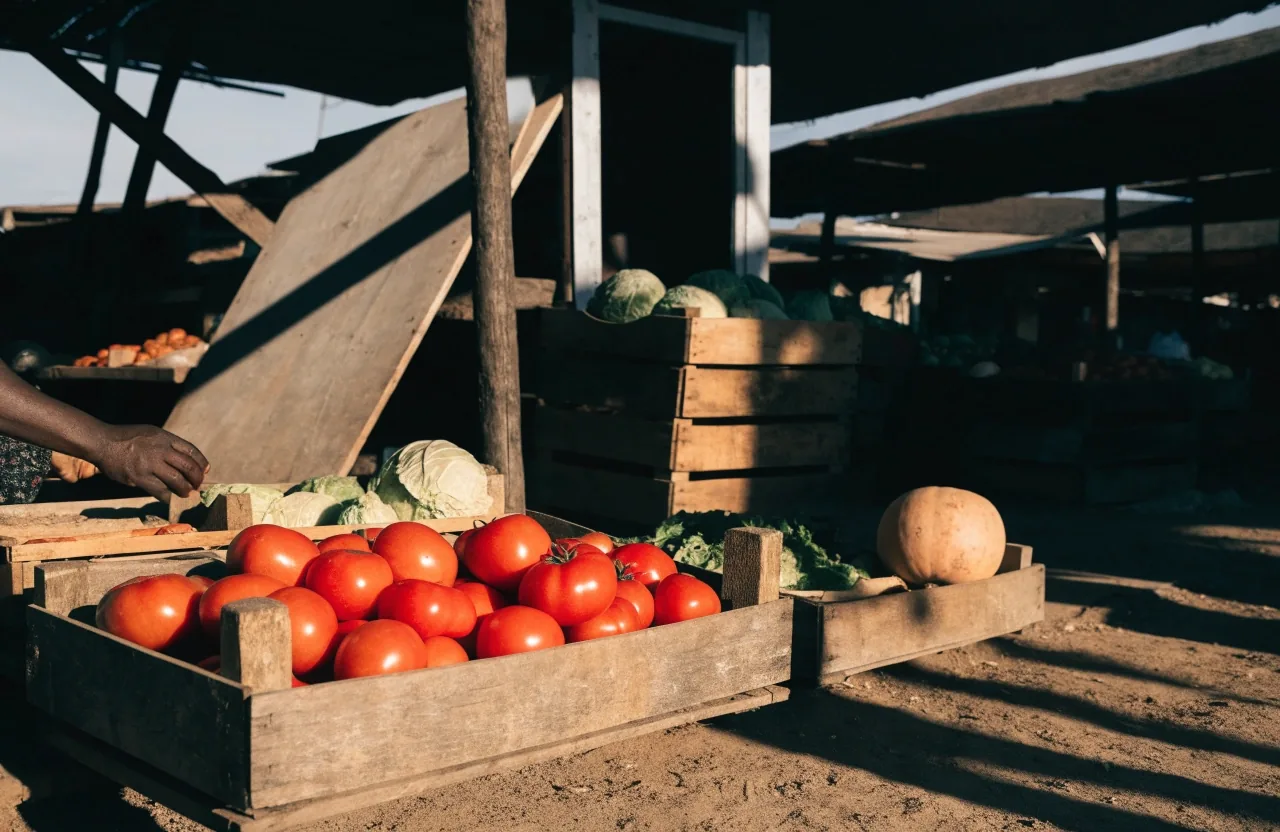
Cabbage, spinach, tomatoes, onions, carrots, butternut, and seasonal greens. Frozen and tinned vegetables count the same and do not spoil when the fridge is crowded or the power is out.
Protein that stretches
Beans and eggs go further than most people expect. Tinned fish is shelf-stable and cheap per portion. One chicken can carry three meals if you plan the week before you shop.
Buying in the heat
Shop for leaves more often and roots less often. Store produce in the coolest part of the house, and cook what is wilting first rather than throwing it out at the end of the week.
Cooking for a shared pot
When one pot feeds six, add the vegetables in stages: roots first, leaves last. That keeps texture and colour, and it means the plate rule still works when everyone eats from the same dish.
Sleep when the nights are warm
Sleep hygiene looks different when the bedroom holds heat into the evening. Moving your heaviest meal earlier, cooling the room before bed, and keeping a consistent wake time do more than most supplements. Our sleep guide covers routines for warm climates, including what to do on the nights the power goes out, when a fan is not an option and the room stays warm until morning.
Eat earlier
Push the main meal two hours before bed. Digestion is slow work and it runs warmer than you think.
Cool before you lie down
Open windows on both sides of the room for cross-flow, and let the bed air out through the evening before you get in.
Keep your wake time
A steady wake time holds the rhythm even after a bad night. Sleeping in on Saturday undoes more than it fixes.
Longevity is built from ordinary weeks
Long-term wellbeing in this context means lowering risk from diabetes, hypertension, and obesity, the conditions Botswana's health policy targets directly. That happens through diet quality, movement, stress management, and sleep, repeated over years. Nothing dramatic is required, and consistency beats intensity by a wide margin.
Movement
Diet quality
Sleep and stress
Movement that fits an adult schedule
More than half of adults report no leisure-time exercise, and women are especially affected in the survey findings. The answer is not a gym membership. A twenty-minute walk after dinner, stairs instead of a lift, or carrying groceries on foot all count. National policy promotes exercise programmes and workplace wellness weeks, so you may find something running near you already.
Start where you will actually repeat. Two short walks are easier to keep than one long session, especially in the heat. If the middle of the day is brutal, walk early or after dark when the pavement has cooled. Wear shoes you already own. The point is frequency, not equipment.
How to use the guides here
Read one topic at a time
Pick the guide closest to your week. Nutrition guidance is the natural starting point; the fatigue, sleep, and longevity pages build on it rather than repeat it.
One topic
Change one thing
Run a single change for two weeks before adding another. One extra portion of vegetables and a glass of water with each meal is a fair first fortnight.
Two weeks
Then build on it
Once the first habit holds, add movement or sleep timing. Stacking them slowly is what makes the change last past the first enthusiastic week.
Then add one more
Ask when stuck
If a question does not fit any guide, the contact page reaches a person, not a bot. We answer in plain language and tell you when something needs your own doctor.
Contact usWater in a hot, dry climate
Dehydration presents as tiredness long before it presents as thirst. In Botswana's heat it shows up as headaches, poor concentration, and heavy legs by late afternoon. Keep water visible and drink with meals rather than waiting for a dry mouth. If you sweat heavily or work outdoors, replace electrolytes through food and oral rehydration rather than sugary drinks, and consider adding a pinch of salt to a meal you already eat.
Signs to catch early
Headache, short temper, dry mouth, dark urine, and the feeling that your legs are heavier than your work deserves.
What to keep nearby
A full bottle on the desk, a jug on the kitchen counter, and a glass that comes to the table with every meal.
When to replace salts
Heavy sweating, long outdoor work, or a day of sport. Oral rehydration and salty food beat soft drinks and energy cans.
A note on caffeine
Strong tea and coffee still count toward fluid, but they are not a substitute for water, and they can prop up a tiredness you could fix with sleep.
Cutting salt without losing flavour
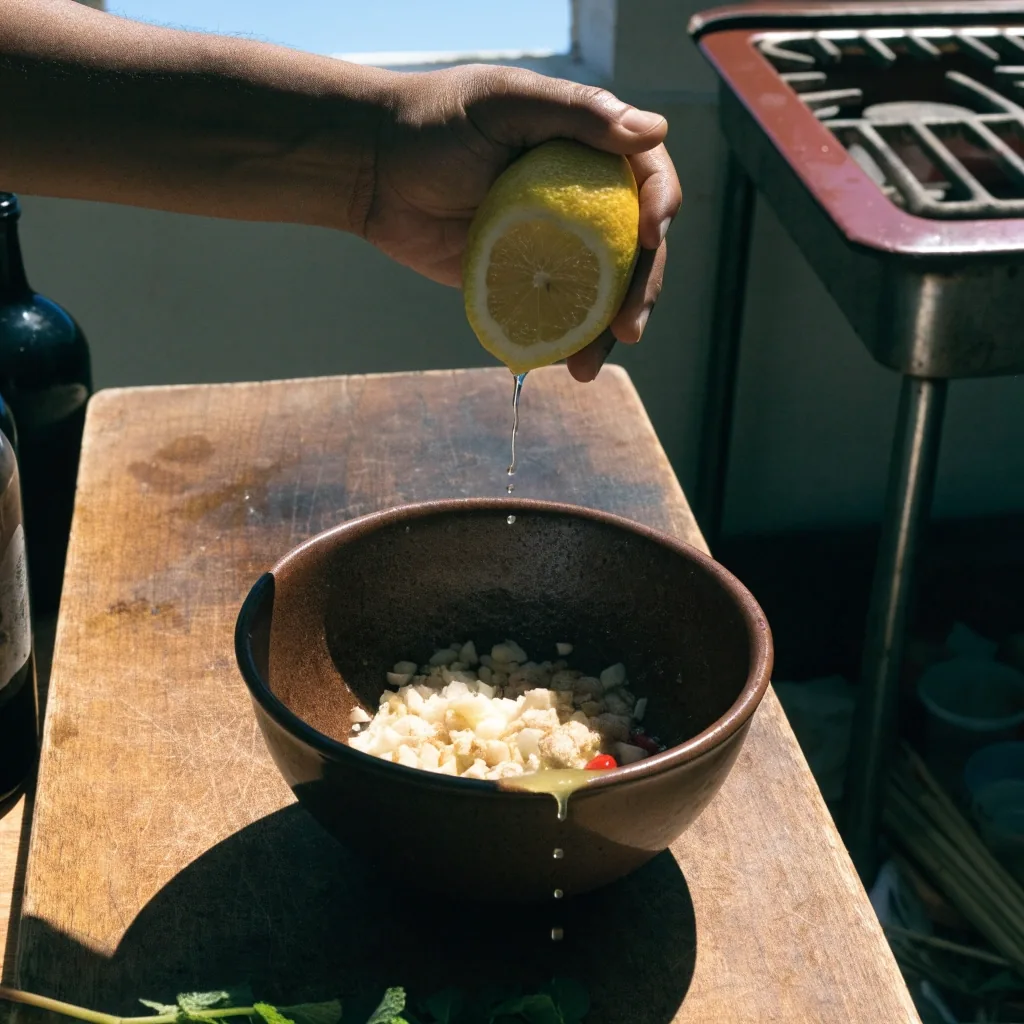
Salt is the clearest single target in the local diet data. Most of it arrives through packaged food, stock cubes, and seasoning added during cooking rather than through the salt shaker at the table. Build flavour with garlic, ginger, lemon, chilli, herbs, and slow-cooked onions instead. Your taste adjusts within a few weeks, and that adjustment is what makes the change stick past the first attempt.
Cutting salt down slowly works better than cutting it out abruptly. Halve the stock cube, add one at the end rather than the start, and taste before you season. Keep a small dish of lemon or chilli on the table so the meal still feels finished.
Who writes this
Guidance here is written for adults managing ordinary life, not athletes and not clinical patients. If you are pregnant, managing a diagnosed condition, or taking medication, treat these pages as background reading and speak to your own health professional. We say that plainly because it matters more than a disclaimer in small print.
No supplement is sold here, and no single ingredient is treated as a cure. The site exists to translate public health guidance into meals, routines, and habits that fit a Botswana week: shared cooking, hours in the heat, transport that takes longer than planned, and a food budget that flexes with the month.
About Energy Balance PathQuestions we get before people start
Do I need supplements to eat well in Botswana?
Is this medical advice?
How fast should I expect changes?
Where do the numbers on this site come from?
Not sure which guide fits your week?
Tell us what you are dealing with, and we will point you at the right page or answer directly. If your question is medical, we will say so and send you to a professional rather than guess.
Plot 819, Chobe Commercial Plaza, Kazungula Road, Kasane, Botswana
Monday to Friday, 8:00 AM – 5:00 PM · Saturday, 9:00 AM – 1:00 PM