
Energy Balance Path Energy Balance Path
A woman resting on a kitchen chair in a sunlit Botswana home at midday, a glass of water behind her

Steady energy · Kasane

Everyday habits that help prevent fatigue

Feeling flat by mid-afternoon usually traces back to hydration, meal timing, and inactivity. Here is what to check first, in the order it tends to matter.

The five inputs your afternoon runs on

Water before thirst

Protein at breakfast

Fibre with starch

Ten minutes after meals

One coffee, not four

A steady wake time

Why the afternoon slump happens

Energy dips follow a rhythm, and most people hit a low between early and mid-afternoon. What makes it severe is what you did in the hours before: skipped breakfast, a starchy lunch with no vegetables or protein, and no movement since morning.

Fix the inputs and the dip gets shallower without caffeine. That is the whole idea behind fatigue prevention — it is a set of small decisions made earlier in the day, not a supplement you buy.

What a heavy afternoon usually looks like

  • No breakfast, or only a sweet drink
  • Lunch built on refined starch alone
  • Nothing to drink since the morning mug
  • Sitting from 8:00 until 4:00 with no break

Change two of those four and the low gets noticeably softer. Most people do not need a fifth coffee; they need one glass of water and ten minutes of walking.

Hydration and the Botswana heat

Dehydration shows up as tiredness long before you feel thirsty

Official travel-health guidance for Botswana pairs hydration with sun protection, and for good reason. Headache, poor concentration, and that heavy late-afternoon feeling are the first signs — they arrive well before thirst does. Keep a bottle where you can see it. Drink with meals. If you work outdoors, drink more than feels necessary and replace salts through food or oral rehydration.

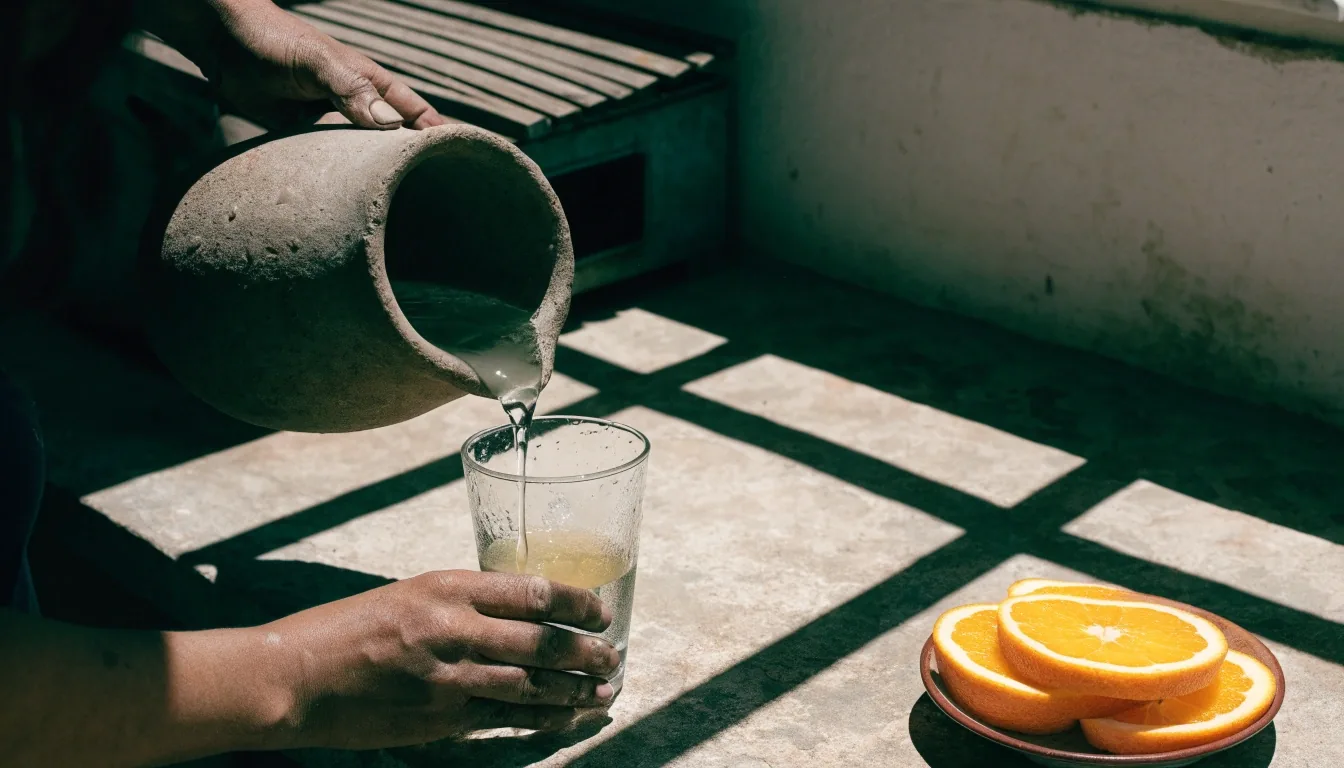
A simple daily water pattern

  1. 1One glass when you wake, before anything else.
  2. 2One glass with every meal — anchor it to eating, not to a clock.
  3. 3One glass before you leave work or school for the day.
  4. 4More during exercise or outdoor work in the sun.

Rather than chasing a number of litres, anchor water to events you already do. In hot, dry conditions your needs rise, and pale urine is the practical check most people can use.

Blood sugar swings and what smooths them

Meals built on refined starch alone spike and crash energy. Adding protein, fa, or fibre slows that curve down. You don't need to count anything; you need each meal to carry more than one component.

Instead of

Pap on its own

Try this

Pap with beans, morogo, or a spoon of peanut

Why it holds

Protein, fa, and fibre slow how fast the starch hits your blood.

Instead of

White bread and tea

Try this

Bread with eggs or peanut butter

Protein and fa make the morning hold past 10:00.

Instead of

Fruit alone as a snack

Try this

Fruit with peanuts or yoghurt

Why it holds

Fruit sugar on its own burns fast; a fa or protein partner stretches it.

Instead of

A sweet drink at 3pm

Try this

Water plus a handful of nuts

Why it holds

Liquid sugar lifts you for twenty minutes and drops you lower.

An empty paved walkway in Kasane under harsh noon light with a shade tree casting cut shadows

Physical activity when you have no energy

This sounds backwards and isn't. Inactivity itself deepens tiredness — more than half of adults in Botswana report no leisure-time exercise in WHO-reported survey data, and the low-energy feeling that follows is not a coincidence. A short walk after meals improves how you feel within days. Start with ten minutes if that's all you have.

10 min

Walking after a meal is the shortest useful dose — enough to move digestion along and break the sitting streak.

5 days

Most people notice a difference in how they feel by the end of a week if they walk on five of those days.

Fitting movement into a real schedule

Gym memberships fail for busy adults, so skip that step

The problem is rarely motivation — it's that new exercise has to compete with an existing hour. These moves fold into hours you already spend.

National policy promotes exercise programs and workplace wellness weeks, so it's worth checking whether your employer or local council runs something nearby.

Walk part of your commute

Two stops early, on foot

Take the stairs when there is a lift

Two flights, once a day

Do squats while the kettle boils

Seventy seconds at a time

Carry shopping home when the distance allows

Loaded walking beats a car

Use your lunch break for a ten-minute loop

Midday, before eating

Caffeine, energy drinks, and the debt they create

Caffeine borrows energy rather than creating it. A coffee in the morning is fine for most adults. Energy drinks in the afternoon mask the fatigue and then interfere with sleep, which causes tomorrow's fatigue.

If you need a stimulant to get through every afternoon, that's information about your hydration, your meals, or your sleep — not a reason to buy more.
Sleep debt shows up as daytime fatigue

Poor sleep is the most common hidden cause of persistent tiredness, and warm nights in Botswana make it worse. Cooling the room before bed, eating your largest meal earlier, and keeping a consistent wake time all help.

Our sleep guide walks through the full evening routine — the room, the light, the last meal — if this is the input you recognise.

Read the sleep guide
An empty bedroom at midday with curtains half-drawn and a sharp band of noon light across the wall

When fatigue needs a professional

Some fatigue isn't lifestyle. If tiredness persists for weeks despite decent sleep, food, and water, or comes with weight loss, breathlessness, or fever, see a doctor. This page covers everyday habits, not diagnosis. We'd rather point you to proper care than keep you reading.

Questions people actually ask

Answers before you change anything

Short, practical answers to the questions that come up most when people start tracking their daily energy.

How much water should I actually drink?

Rather than fix a number, anchor water to events you already do: one glass on waking, one with each meal, one before you leave work, and more during exercise or outdoor work in the sun. Pale urine is the practical check for most people. In hot, dry conditions your needs rise — if you work outdoors, take in more than feels necessary.

Is a mid-afternoon coffee fine?

For most adults, a coffee in the morning is fine. An afternoon stimulant when you are already tired tends to mask the fatigue and then interfere with sleep, which sets up tomorrow's slump. If you need one to get through every afternoon, look at the water, the meal, and the previous night before you buy more.

I hate exercise. Do I have to join a gym?

No. Movement folded into your existing day — a walk after meals, stairs instead of the lift, carrying shopping when the distance allows, squats while the kettle boils — is what tends to stick for busy adults. A gym membership is not a requirement for steady energy.

Could my tiredness be something medical?

Some fatigue isn't lifestyle. If tiredness persists for weeks despite decent sleep, food, and water, or comes with weight loss, breathlessness, or fever, see a doctor. This page is about everyday habits — food, water, movement, sleep — not diagnosis.

How long before I notice a change?

Most people notice a difference in how they feel within days of adding a short walk after meals and steady water through the day. The quieter improvements — a shallower afternoon dip, fewer headaches — tend to build over a week or two. Individual results vary.

Where to go next

Build the day, not just the meal

Water, meals with more than one component, ten minutes of walking, and a consistent wake time. Those four inputs do most of the work for steady daily energy. If you'd rather map it to your own routine, we can do that in a single conversation.

Talk through your energy levels with us

We are a nutrition practice based in Kasane. If you have read through this page and still aren't sure which input is holding you back — water, meals, movement, or sleep — bring what your week actually looks like and we will work through it together. If you would rather start with the sleep side, our sleep guide goes into more depth.

Where to find us

Energy Balance Path
Plot 819, Chobe Commercial Plaza, Kazungula Road
Kasane, Botswana

Phone
+267 625 2190
Weekdays
08:00 – 17:00
Saturday
09:00 – 13:00